Conversations with the researchers and explorers pushing the boundaries of what is humanly possible.
What makes a bioweapon effective? What are researchers actually capable of creating in the lab? What pathogens are kept in storage? How realistic is a large scale catestrophic attack using a bioweapon?
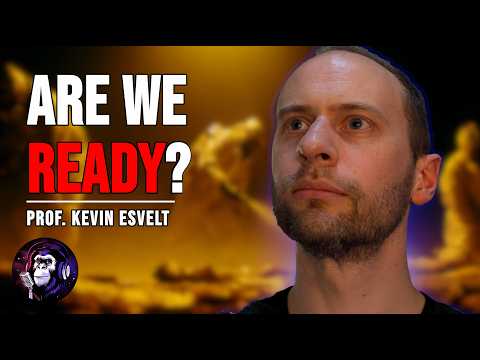
In this conversation I speak with Kevin Esvelt, who is an associate professor at the MIT Media Lab, where he leads the Sculpting Evolution Group in advancing biotechnology safely. Kevin was one of the pioneering researchers behind gene drive technology. In 2013, recognizing the potential dangers of the technology, he and his colleagues chose to break with scientific tradition by revealing their findings and calling for open discussion and safeguards before building the first CRISPR-based gene drive system and demonstrating reversibility in the laboratory.
Kevin now focuses on accelerating beneficial advances while safeguarding biotechnology against mistrust and misuse. Projects include building catalytic platforms for directed evolution, pioneering new ways of developing ecotechnologies with the guidance of local communities, developing early-warning systems to reliably detect any catastrophic biological threat, applying cryptographic methods to enable secure and universal DNA synthesis screening, and advising policymakers on how best to mitigate global catastrophic biorisks.
We discuss the state of the art in pathogen development, as well as the tools available to safegaurd humanity.